

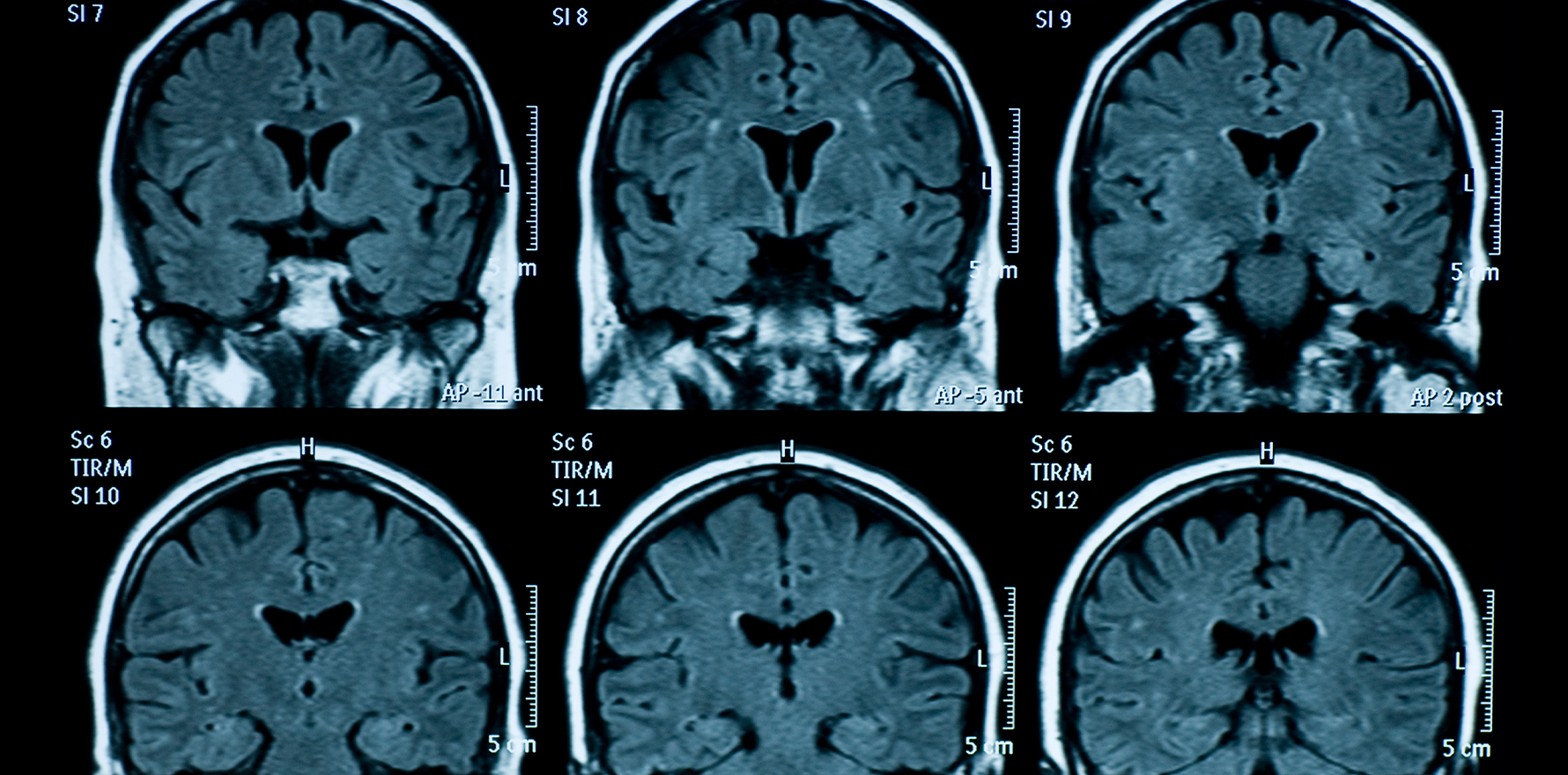
A phase 3 trial suggests regular MRI surveillance could spare patients with small-cell lung cancer cognitive decline without compromising early survival outcomes.
Routine brain MRI surveillance could replace prophylactic cranial irradiation (PCI) in patients with small-cell lung cancer (SCLC), after a phase 3 trial found that omitting preventive radiation reduced the risk of cognitive failure or death by 40%.
Results from the international SWOG S1827 MAVERICK trial, showed significantly better cognitive outcomes among patients undergoing MRI surveillance alone, with no apparent difference in overall survival compared with those receiving PCI.
The findings, presented at the International Association for the Study of Lung Cancer’s 2026 World Conference on Lung Cancer in Seoul, challenge decades of clinical practice in the management of SCLC.
“Compared to MRI+PCI, MRI alone is associated with superior CFFS, reduced cognitive failure, and improvements in longitudinal QOL outcomes,” the researchers reported.
“These results support MRI surveillance alone as the standard of care for patients with SCLC.”
PCI has traditionally been used following initial treatment to reduce the risk of brain metastases, which are common in SCLC. Earlier studies demonstrated a survival benefit, but much of that evidence predates the widespread availability of MRI.
Concerns about treatment-related neurocognitive impairment have increasingly prompted clinicians to question whether regular MRI surveillance and early intervention for brain metastases could offer a safer alternative.
The MAVERICK trial enrolled 304 patients with limited-stage or extensive-stage SCLC who had completed initial therapy and had no evidence of brain metastases on MRI.
Participants were randomised to undergo either MRI surveillance alone or MRI surveillance combined with PCI, delivered at 25Gy in 10 fractions.
Both groups underwent brain MRI every three months during the first year and every six months during the second year, alongside standardised cognitive assessments.
Around 68% of participants had limited-stage disease.
After a median follow-up of 22 months among surviving patients, MRI surveillance alone significantly improved cognitive failure-free survival, the trial’s primary endpoint, compared with surveillance plus PCI (HR 0.60; 90% CI 0.46-0.78).
Cognitive failure-free survival was defined as the time to either cognitive deterioration on standardised testing or death.
The benefit was consistent across both limited-stage and extensive-stage disease and was not significantly affected by whether patients had received immunotherapy.
The cognitive advantage persisted even when MRI surveillance was compared with hippocampal-avoidance PCI, a technique designed to minimise radiation-related cognitive impairment.
Related



Among patients who would otherwise have received hippocampal-avoidance PCI, MRI surveillance alone was associated with significantly better cognitive failure-free survival (HR 0.63; 90% CI 0.47-0.83).
Serious treatment-related adverse events were also substantially less frequent in the surveillance-only group. Grade 3-5 adverse events occurred in 0.8% of patients undergoing MRI surveillance alone, compared with 7.9% of those receiving PCI.
The researchers also reported improvements in longitudinal patient-reported cognitive outcomes and overall quality of life among patients who avoided preventive irradiation.
However, the findings have yet to establish definitively whether omitting PCI has no adverse effect on overall survival.
A preliminary analysis conducted after 128 deaths showed no apparent difference in overall survival between the two strategies (HR 0.90; 90% CI 0.67-1.20).
Brain metastasis-free survival and progression-free survival also did not differ significantly between treatment groups.
The trial’s final overall survival analysis is planned after 190 deaths and will assess whether MRI surveillance alone is non-inferior to the addition of PCI.
Lead investigator Dr Chad Rusthoven, from the University of Colorado School of Medicine, said the results supported a change in the management of SCLC.
“In the MAVERICK trial, MRI surveillance alone resulted in improved cognitive failure-free survival compared to a strategy of MRI surveillance plus PCI, with similar benefits observed in patients with both limited- and extensive-stage disease,” he said.
“These results support MRI surveillance as the standard of care for patients with SCLC.”
The researchers said the findings were particularly relevant as immunotherapy became increasingly integrated into SCLC treatment, potentially changing survival expectations and placing greater emphasis on preserving cognitive function and quality of life.
They also strengthened the case for incorporating structured brain MRI surveillance into post-treatment care, although the trial’s intensive imaging schedule may present practical challenges for patients and health services.
However, the researchers emphasised that mature overall survival data were still needed before the long-term safety of omitting PCI could be confirmed.
