

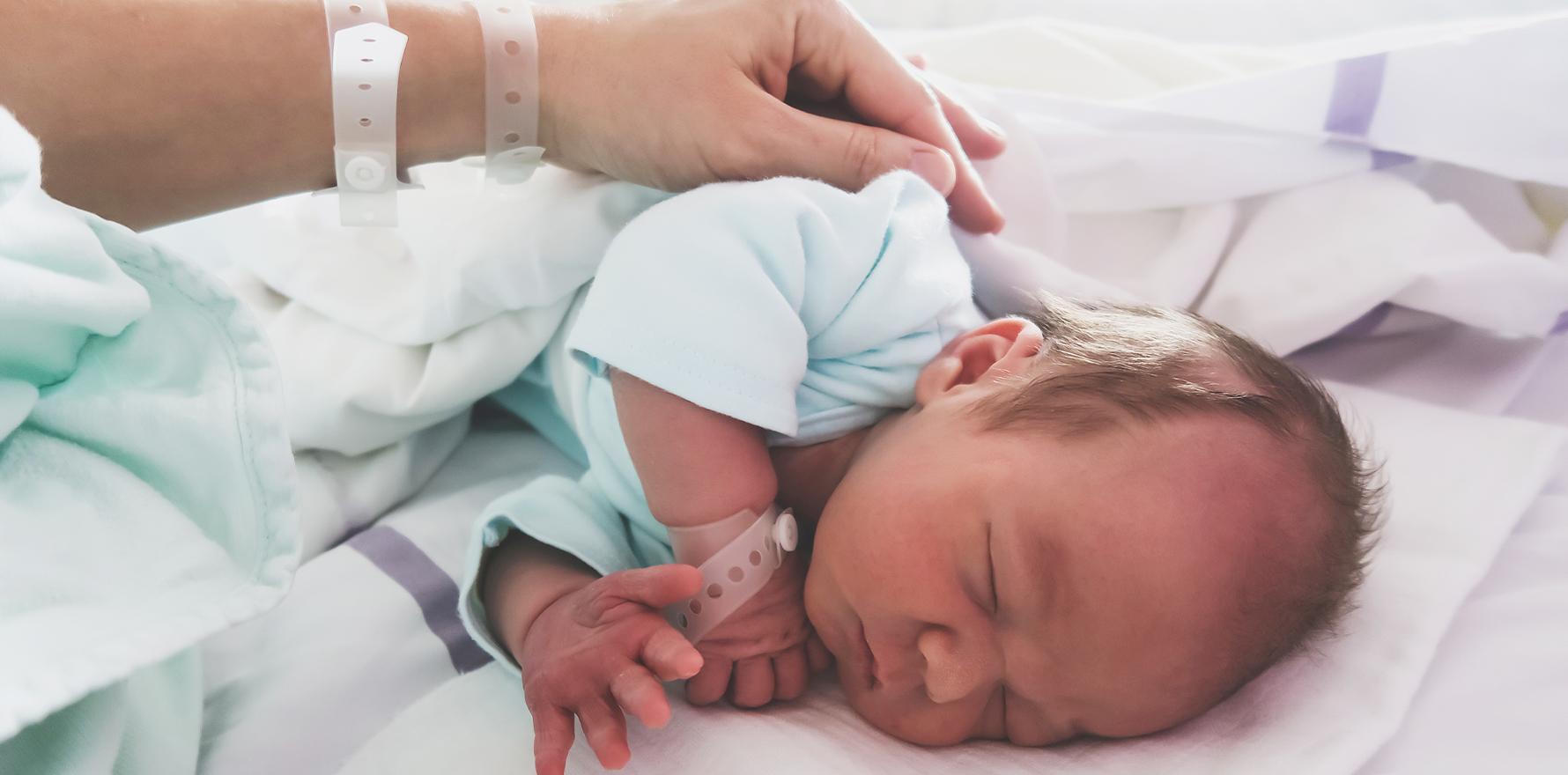
Antibiotics given during labour were linked to a sixfold increase in some infant allergy outcomes, but maternal prebiotic supplementation appeared to modify the risk, Australian researchers have found.
Antibiotics administered during labour have been linked to substantially higher rates of food allergy, allergic sensitisation, and atopic eczema in infants, with new Australian research suggesting maternal prebiotic supplementation may help mitigate the risk.
The findings, published in Allergy, come from an exploratory analysis of a randomised controlled trial involving 652 pregnant women whose babies had a family history of allergic disease.
Researchers from Edith Cowan University, The Kids Research Institute Australia, and the University of Western Australia analysed data from 568 mother-infant pairs to investigate whether antibiotic exposure during pregnancy, childbirth, or early infancy was associated with allergic disease by 12 months of age.
Among women who received a placebo rather than prebiotics, antibiotics administered during labour were associated with a more than threefold increased risk of allergic sensitisation (adjusted relative risk 3.56, 95% CI 1.65–7.69), a nearly sixfold increased risk of IgE-mediated food allergy (aRR 5.67, 95% CI 2.04–15.73), and a more than sixfold increased risk of medically diagnosed atopic eczema (aRR 6.42, 95% CI 2.43–16.95).
However, these associations were not observed among women who received daily prebiotic supplementation from 18–20 weeks’ gestation until six months postpartum.
Lead author and ECU PhD student Summer Walker said the findings suggested a potential role for maternal prebiotics in reducing the unintended effects of antibiotic exposure on infant immune development.
“Antibiotics during labour can be lifesaving and should always be used when medically necessary,” Ms Walker said.
“However, our findings suggest there may be unintended effects on a baby’s developing immune system. Importantly, we found that mothers taking prebiotics did not show the same increase in allergy-related outcomes in their children.”
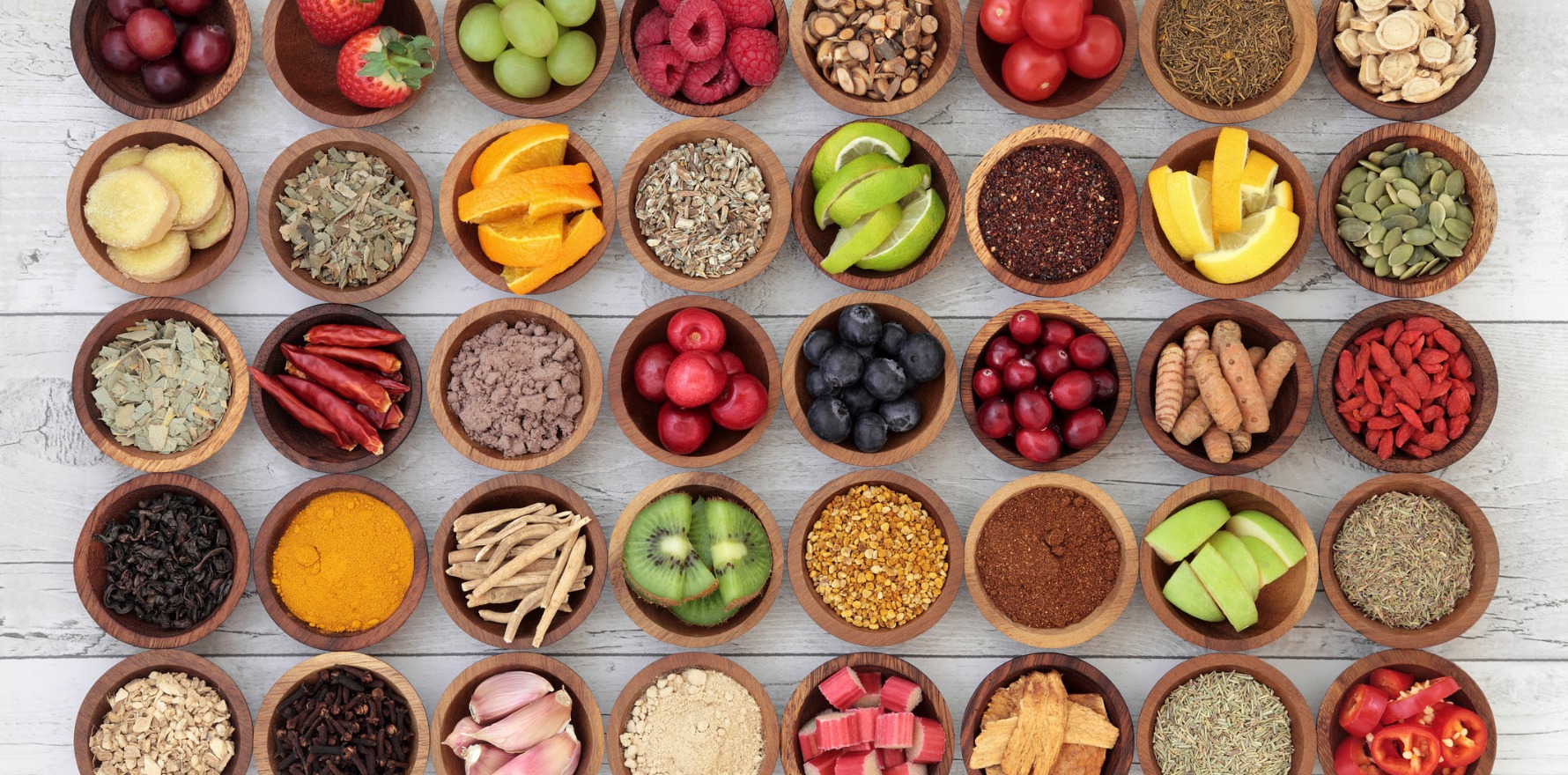
The original double-blind trial randomly allocated participants to receive either a daily supplement containing galacto-oligosaccharides and fructo-oligosaccharides or a maltodextrin placebo.
Although the primary trial found no overall reduction in medically diagnosed infant eczema with prebiotic supplementation (31.5% versus 32.6%), the new analysis identified significant interactions between prebiotic allocation and intrapartum antibiotic exposure for several allergy outcomes.
Of the 568 mothers included in the analysis, 78 (13.7%) received antibiotics during labour, most commonly for current or previous Group B Streptococcus infection status.
Among placebo recipients, 17.2% of infants exposed to intrapartum antibiotics developed IgE-mediated food allergy, compared with 3.7% of those without exposure.
The corresponding rates of medically diagnosed atopic eczema were 20.7% and 4.1%, while allergic sensitisation occurred in 24.1% and 8.1%, respectively.
In contrast, among mothers receiving prebiotics, intrapartum antibiotic exposure was not significantly associated with any of these outcomes.
The researchers also examined antibiotic exposure during pregnancy, caesarean delivery, lactation, and the first six months of infancy.
Overall, 83.1% of mothers and 20.8% of infants received antibiotics during the intervention period, but no significant associations with infant allergic disease were identified for exposure outside the intrapartum period.
Related


The researchers suggested that antibiotics administered during labour may interfere with early microbial colonisation and immune programming, potentially affecting the development of allergen tolerance.
They noted that disruption of the infant gut microbiome during this critical period could promote immune responses associated with allergic sensitisation and IgE-mediated disease.
However, the study did not directly examine maternal or infant microbiome changes, meaning the proposed mechanism remained unconfirmed.
The researchers also cautioned that the findings were based on relatively small subgroups, with only 29 placebo recipients and 46 prebiotic recipients exposed to intrapartum antibiotics among those with complete allergy outcome data.
The analysis was exploratory, with no prior sample-size calculation for interaction testing and no adjustment for multiple comparisons.
The authors said the results should therefore be considered hypothesis-generating rather than definitive evidence of a protective effect.
The findings may also have limited generalisability because all infants had a first-degree relative with allergic disease and approximately 77% of mothers had a personal history of allergy.
The researchers stressed that “antibiotics can be lifesaving and should always be used when clinically indicated”.
“However, our findings reinforce that maternal intrapartum antibiotic administration is associated with an increased risk of infant allergen sensitisation, IgE-mediated food allergy, and medically diagnosed atopic eczema,” they concluded.
“Notably, there was no increased risk of infant allergic disease associated with intrapartum antibiotic exposure among mothers randomised to prebiotic supplementation, suggesting that prebiotics may represent a potential strategy to mitigate downstream immune responses.
“Future allergy prevention trials could further optimise maternal prebiotic interventions, especially for women at high risk of intrapartum antibiotic exposure.”
