

The H5N1 strain jumping from migratory to local species is ‘alarming, but not unexpected’ news, according to experts.
The South Australian government confirmed a seabird found in the state’s south-east as the first Australian bird to be carrying the H5 bird flu virus.
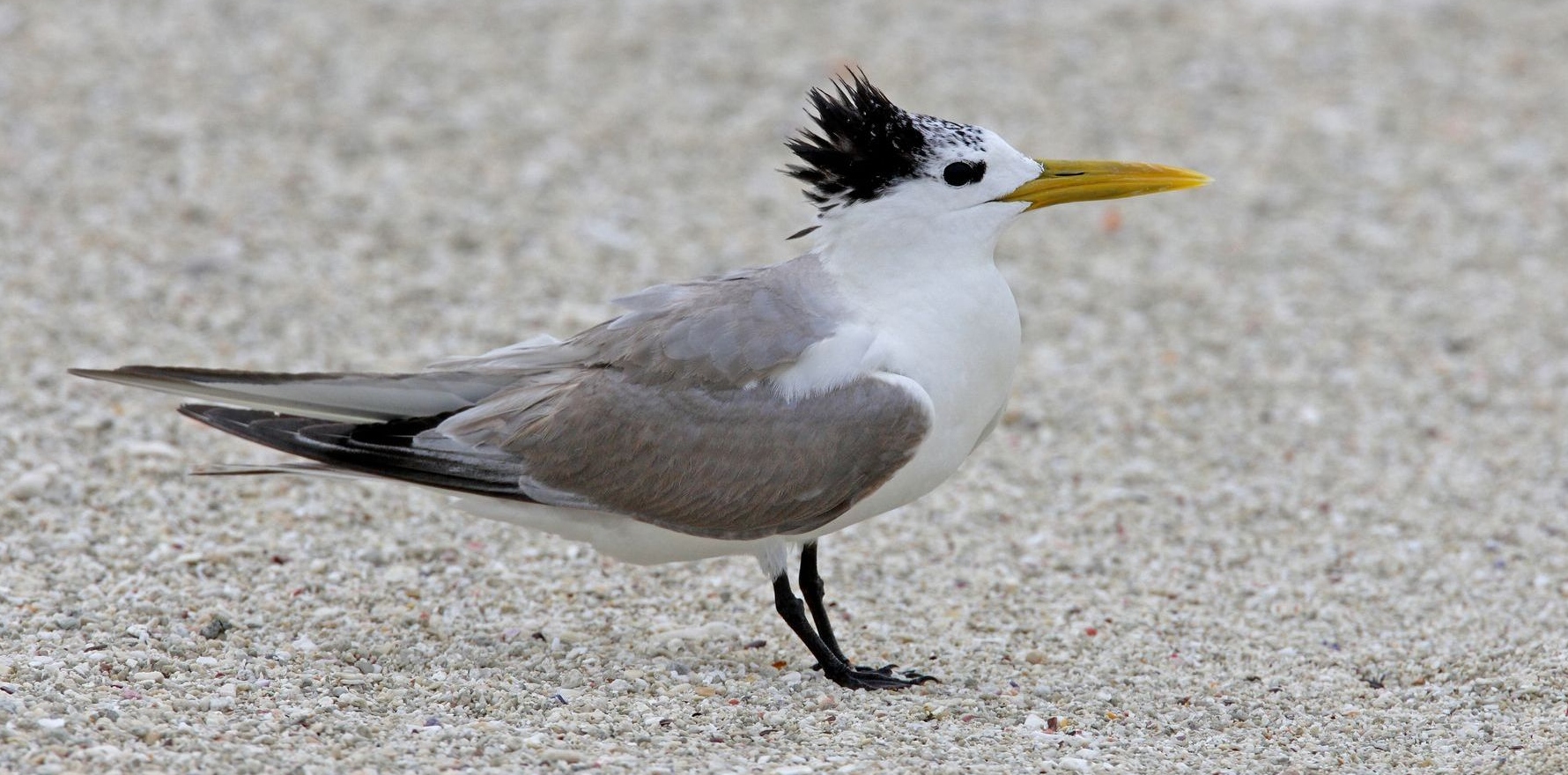
The greater crested tern, found dead at Robe earlier this month, means there have now been 13 confirmed cases of the H5 bird flu in wild birds according to the federal Department of Agriculture: seven in Western Australia, five in SA, and one in New South Wales.
Both the SA and federal government have stressed that the first local case is an isolated incident, and that there are no signs of mass outbreaks throughout the country.
“Over the last three weeks, we have been at a precipice,” said Dr Michelle Willie, outreach coordinator at the WHO Collaborating Centre for Reference and Research on Influenza at the Doherty Institute.
“First, perhaps we would be lucky, and cases (if they continued) would be in these Southern Ocean seabirds, and go no further. Second, there would be a jump from these Southern Ocean seabirds in our resident wildlife species.
“The detection of HPAI H5N1 in a tern is the first bit of evidence moving the needle from the first scenario to the second. But, more data, through surveillance and comparison of the viral genome from this case to the others, is needed to be certain whether HPAI H5N1 has entered our wildlife populations to become established.”
Dr Lauren Roman, a Seabird researcher from the Institute for Marine and Antarctic Studies at the University of Tasmania, said the news was “alarming but not unexpected”.
“The greater crested tern, Thalasseus bergi, is widespread across Australia and other parts of the world, occurring along coastlines as well as some inland waterways,” she said.
“Terns have been hit hard by the H5N1 virus in other parts of the world, and this is a concerning finding ahead of the coming spring and summer breeding season where terns breed in dense aggregations, sometimes nesting alongside other species.
“Breeding aggregations create conditions that have been observed to facilitate rapid spread of this virus.
“Gulls, including silver gulls, ‘sea gulls’ and kelp gulls, are likely to interact with both, by scavenging alongside giant petrels, or on their carcasses. Gulls interact with crested terns through kleptoparasites (stealing their food) and by sharing roost locations.
“It would be worth turning attention to testing environmental and bird faecal samples for H5N1, especially at locations where gulls and terns interact or congregate together, to monitor this outbreak.”
Related

Professor Mark Stevenson, a professor of veterinary epidemiology at the University of Melbourne, echoed Dr Roman’s concerns.
“Detection of H5 influenza in an Australian (as opposed to migratory) seabird is a concerning development because it implies that transmission of the virus from migratory to native, non-migratory birds has occurred,” he told media.
“The poultry industry has been proactive by providing poultry farmers with advice and guidance to limit contact between wild (migratory and native) birds and farmed poultry. While not perfect, this is a risk that can be managed. Contact between H5-infected migratory birds and Australian native birds, on the other hand, can’t be controlled, so all that can be done at this stage is to continue to monitor the situation.”
The risk of humans becoming infected with bird flu remains low, according to Professor Adrian Esterman, chair of biostatistics at Adelaide University.
“Over 70 human cases have been confirmed in the USA since 2024, nearly all in people with close contact with infected poultry or dairy cattle. Importantly, there has been no sustained human-to-human transmission so far. Although the case fatality rate since 2003 is high (nearly 50%), it is mainly in severe hospitalised cases,” he said in a statement.
The announcement comes after two wild migratory birds were found to be carrying the H5N1 virus in Western Australia last month.
The Department of Agriculture encourages anyone who sees a dead bird, or a sick bird or animal showing signs of bird flu, to report it to the Emergency Animal Disease Hotline on 1800 675 888.
