

New national data showing one in five Australian women live with asthma has prompted calls to embed respiratory care across women’s health policy and routine clinical assessments.
Australia’s asthma gender gap has landed on the parliamentary agenda, with new national data prompting calls for respiratory care to be embedded more systematically across women’s health policy and clinical practice.
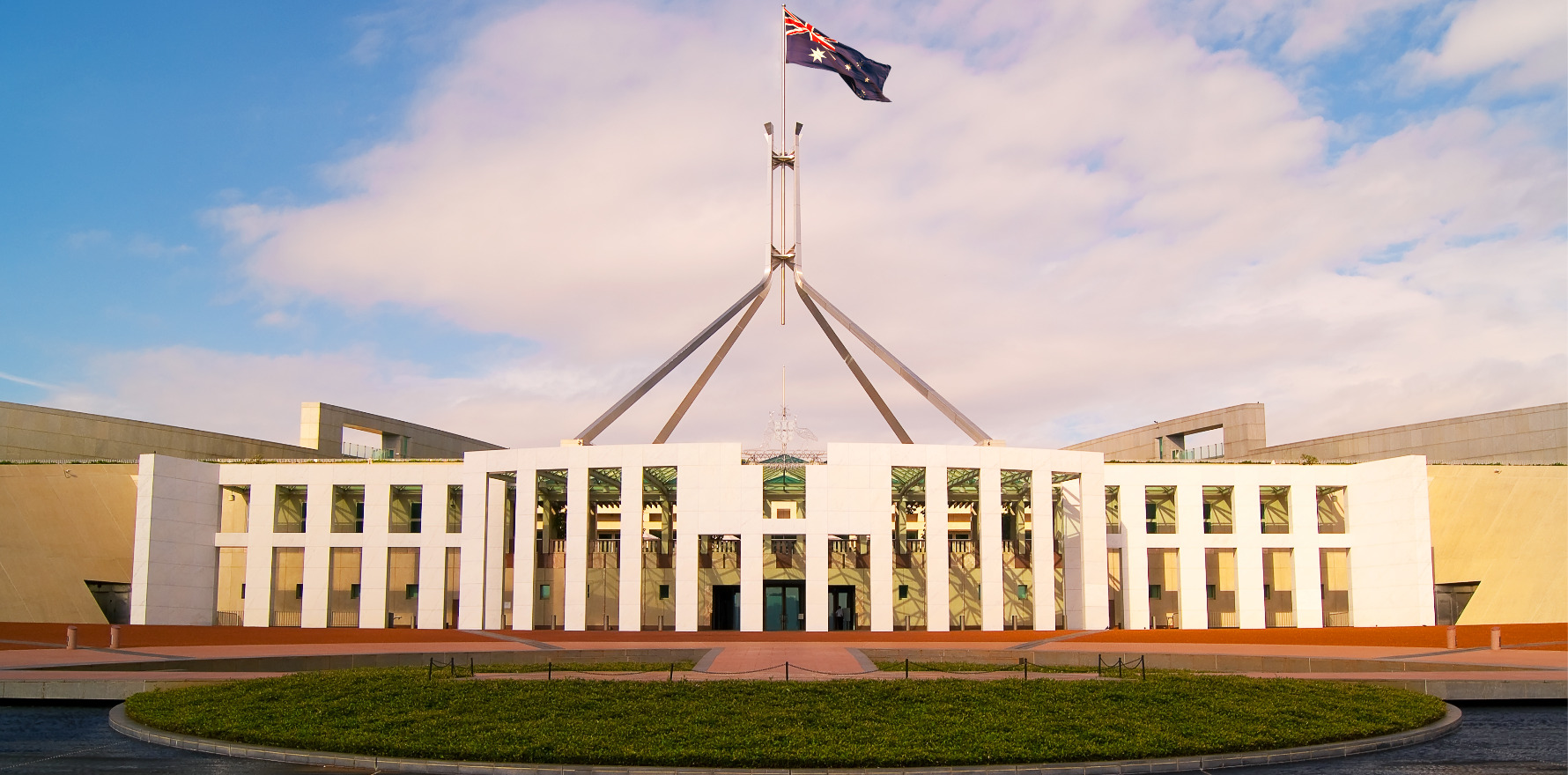
Parliamentarians, clinicians, researchers and people living with asthma gathered at Parliament House in Canberra for the launch of the ‘She Needs to Breathe: Closing the Asthma Gender Gap’ campaign.
The initiative highlighting how asthma affects women across the life course and where gaps persist in care.
Asthma affects 20.1% of adult Australian women, with women accounting for 61% of all adults living with the condition, according to new national data prepared for Asthma Australia by the Australian Centre for Airways Disease Monitoring at the Woolcock Institute of Medical Research.
Despite this burden, asthma is not consistently embedded within women’s health frameworks or routine health assessments, campaign organisers said.
The condition’s impact shifts across the life course. After puberty, asthma becomes more common in females than males and remains elevated through women’s peak working and caregiving years before rising again in later life.
Women aged 55–64 years experience substantially higher asthma prevalence than men of the same age, and asthma-related mortality is twice as high among women.
The new analysis also highlights the daily burden faced by women living with asthma. More than half reported high or very high psychological distress, while 72% reported moderate to severe anxiety or depression.
Two-thirds said they had used inhaled preventer medication in the previous 12 months and just one-third reported having a written asthma action plan.
Asthma Australia said the findings point to significant gaps in recognition, review and management within the health system, particularly at key stages of women’s lives.
Related



Speaking at the launch, Asthma Australia CEO Kate Miranda said the data underscored the scale of the issue and the opportunity for change.
“These figures show asthma is one of the most common chronic conditions affecting Australian women, particularly during their peak working and caregiving years,” she said.
“There is an opportunity to strengthen how asthma care for women is integrated into the health system, including routine reviews and health assessments.”
Professor John Blakey, medical advisor to Asthma Australia and medical co-director at Sir Charles Gairdner Hospital, said recognising biological differences across the life course was central to improving outcomes.
“Women experience distinct hormonal influences that can affect airway inflammation and asthma control,” he said.
“When you look at the data showing higher prevalence, psychological burden and poorer management indicators, it reinforces the need to integrate respiratory reviews into routine care at key life stages could make a meaningful difference.”
Federal health minister Mark Butler said the government remained committed to improving women’s health outcomes and welcomed the insights provided through the campaign.
“Our government is working hard to lift health outcomes for women, and that starts with listening to their experiences and priorities,” he said.
“I’m grateful for the insights of clinicians and Asthma Australia as we continue shaping evidence based policy that genuinely meets women’s needs.”
Assistant minister for women and assistant minister for health and aged care Rebecca White, who attended the event, said asthma had long been under-recognised within the broader women’s health agenda.
“Recognising the gender gap in asthma is an important part of understanding women’s health and the experiences of women living with asthma,” she said.
