


Fewer adults have well-controlled asthma, urgent presentations have risen sharply, and overuse of SABA inhalers remains entrenched, prompting calls for rapid implementation of the 2025 national asthma guidelines.
Australian adults with asthma are experiencing poorer disease control and requiring more urgent healthcare than they were a decade ago, new national research has revealed.
The researchers say their findings suggest patients’ longstanding reliance on blue reliever inhalers remain a major barrier to improving outcomes despite updated treatment guidelines.
Asthma is one of the most common chronic conditions in Australia, affecting more than one in 10 adults and children (11%).
The study, published in The Medical Journal of Australia, compared two nationally representative surveys conducted in 2012 and 2021 and found worsening asthma control, increased healthcare utilisation, and declining adherence to inhaled corticosteroid (ICS) therapy among Australian adults.
The researchers said their findings highlighted an urgent need for widespread implementation of the updated Australian asthma guidelines that were released in September 2025, which recommend anti-inflammatory reliever therapy in place of short-acting beta2 agonists (SABA) as the only treatment for adults and adolescents.
“There was a lot of concern about the findings of our 2012 survey, but unfortunately it has become worse over the subsequent decade,” said the study’s lead author and research leader at the Woolcock Institute of Medical Research Professor Helen Reddel.
“The results clearly show that asthma management in Australia must change. There is a lot of preventable asthma burden in the community.
“We now have a huge opportunity to use the new guidelines and change health outcomes for people with asthma but implementation and education remain a challenge both in the healthcare system and in the community.”
The cross-sectional survey included 5427 adults with asthma recruited from nationally stratified web panels in early 2021 and compared the results with a similar survey of 2686 adults undertaken in 2012.
Only 48% of participants in the 2021 survey had well-controlled asthma, down from 54.4% in 2012. At the same time, the proportion with very poorly controlled symptoms increased from 22.9% to 26.8%, while asthma-related interference with work, study or home activities increased from 20.5% to 27.9%. More participants also rated their general health as fair or poor.
One of the most concerning findings was the increase in urgent healthcare utilisation. More than one in three participants (37.9%) reported at least one urgent asthma-related visit to a GP, emergency department, or hospital during the previous 12 months, representing a 53% increase in the odds of requiring urgent care compared with the 2012 survey after adjustment for demographic factors.
The researchers found no obvious explanation for the worsening outcomes other than a decline in adherence to preventer therapy.
While approximately 61% of participants reported using an ICS-containing medication during the previous year, essentially unchanged from 2012, fewer than 30% reported taking their preventer medication on at least five days each week.
Among participants with poorly controlled asthma and little or no ICS use, almost two-thirds had required urgent asthma care during the previous year.
The survey also identified ongoing problems with inhaler technique and asthma review. Only 42% of participants using an ICS recalled having their inhaler technique checked by a healthcare professional during the previous 12 months, despite regular review of inhaler technique being a cornerstone of guideline-based asthma management.
Another striking finding was Australia’s continued overuse of SABA relievers.
More than half of participants using a SABA reported obtaining at least three inhalers during the previous year, while one in 10 obtained 12 or more inhalers.
Patients obtaining three or more SABA inhalers were significantly more likely to require urgent asthma care, with the risk increasing further among those obtaining 12 or more inhalers.
The authors note that Australia’s rate of SABA overuse remains among the highest reported internationally, reflecting the continued accessibility, low cost, and long-established reliance on blue reliever inhalers.
“For over 50 years the blue puffer was the standard initial (and often only) treatment for asthma, and we need to ensure that doctors and patients establish the same trust in the combination inhaler,” Professor Reddel said.
The findings come less than a year after the release of the updated Australian asthma guidelines, which marked a substantial shift in recommended management for adults and adolescents.
The guidelines advise against prescribing SABA-only therapy because it treats bronchoconstriction without addressing the underlying airway inflammation that drives exacerbations.
Related
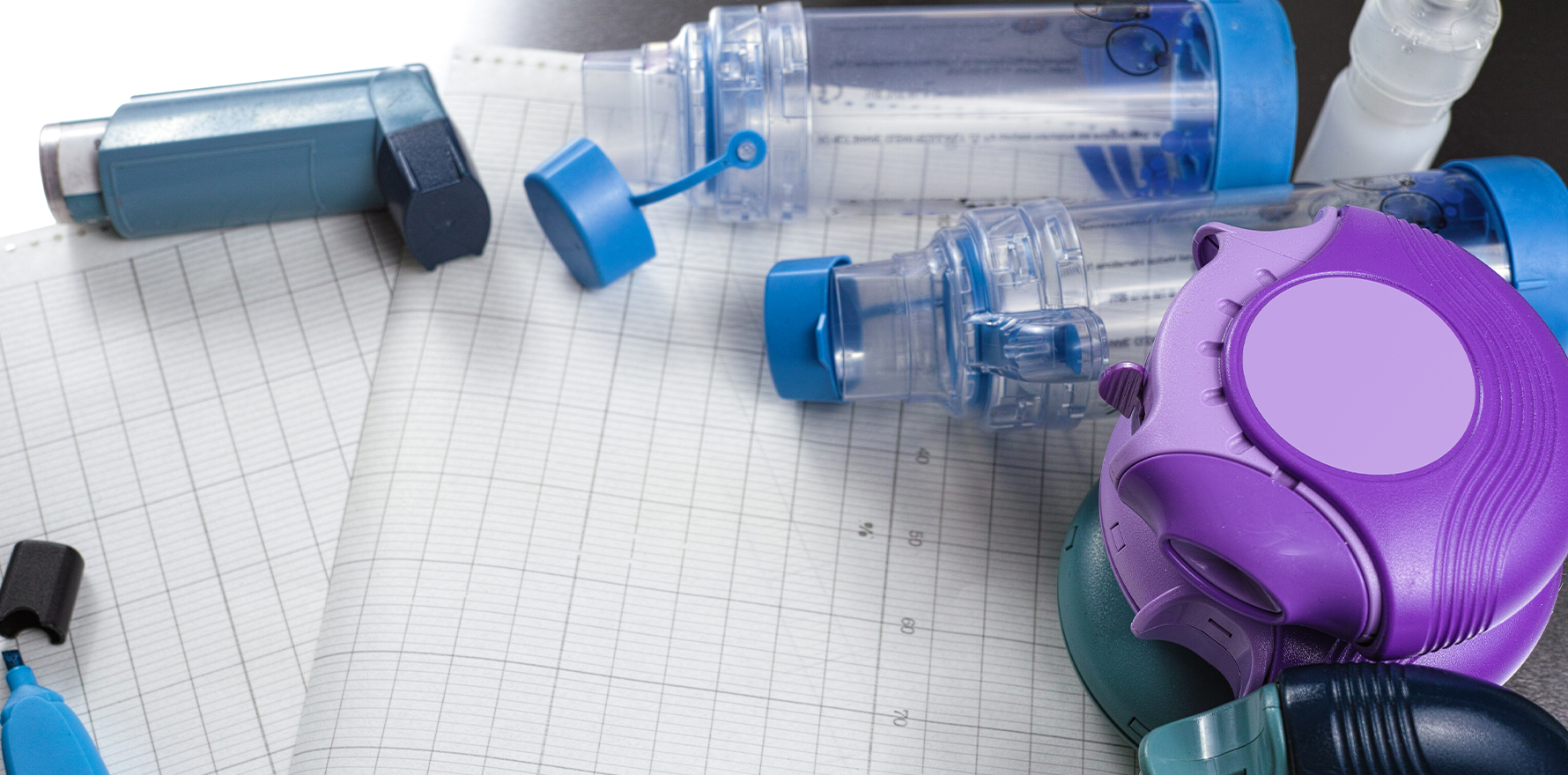


Instead, they recommend anti-inflammatory reliever (AIR)-only therapy or maintenance-and-reliever therapy (MART) using an ICS-formoterol combination inhaler, depending on asthma severity.
Evidence underpinning the guideline changes has shown that ICS-formoterol reliever therapy provides symptom relief comparable to a SABA while reducing the risk of severe exacerbations by more than 50%.
However, uptake remains limited. Only 13.3% of survey participants reported using ICS-formoterol for symptom relief during the previous month and, of those, more than half also continued using a SABA, limiting the potential benefit of the recommended approach.
The researchers acknowledged limitations of their study included “the inherent constraints of survey research, such as exclusion of non-English speakers, potential bias within quotas and reliance on self-reported diagnosis and medications”.
“Self-reported adherence may be over-estimated; if so, actual ICS usage may be even lower than reported. The 2021 survey was conducted during the covid-19 pandemic, which was associated with fewer asthma-related hospital presentations.
“Therefore, the increase in urgent healthcare use since 2012 may be an underestimate.”
They also noted that the worsening outcomes seen over the past decade were largely preventable.
Improving implementation of the 2025 guidelines, increasing adherence to ICS-containing therapy, routinely reviewing inhaler technique, and reducing reliance on SABA-only treatment could substantially reduce asthma morbidity and urgent healthcare presentations.
“For implementation to succeed and asthma outcomes to improve, system-level issues must also be addressed urgently, particularly the current disparity in accessibility and cost between SABA inhalers and the safer and more effective combination ICS–formoterol options,” they concluded.
The updated Australian Asthma Handbook is available here.
