

An expert working group has developed a document that will play a key role in detecting hidden lung disease at an earlier stage.
The Australian Centre for Disease Control has released new national guidance for doctors who assess workers exposed to respirable crystalline silica (RCS) dust.
The National guidance for doctors assessing workers exposed to respirable crystalline silica dust 2026 is designed to support healthcare professionals to carry out occupational health monitoring for RCS and to assess whether individuals have been exposed to increased levels of RCS at any point during their working life.
“[The guidance] helps all specialists and GPs to identify those who may have silica-associated disease, understand when further assessment is needed, and connect workers with the right care and support services,” said Professor Karen Walker-Bone, chair of the expert working group that updated the guidance and director of the Centre for Occupational and Environmental Health at Monash University’s School of Public Health and Preventive Medicine.
“Because many workers with early occupational lung disease may feel well, appropriate monitoring and a detailed exposure history are critical.”
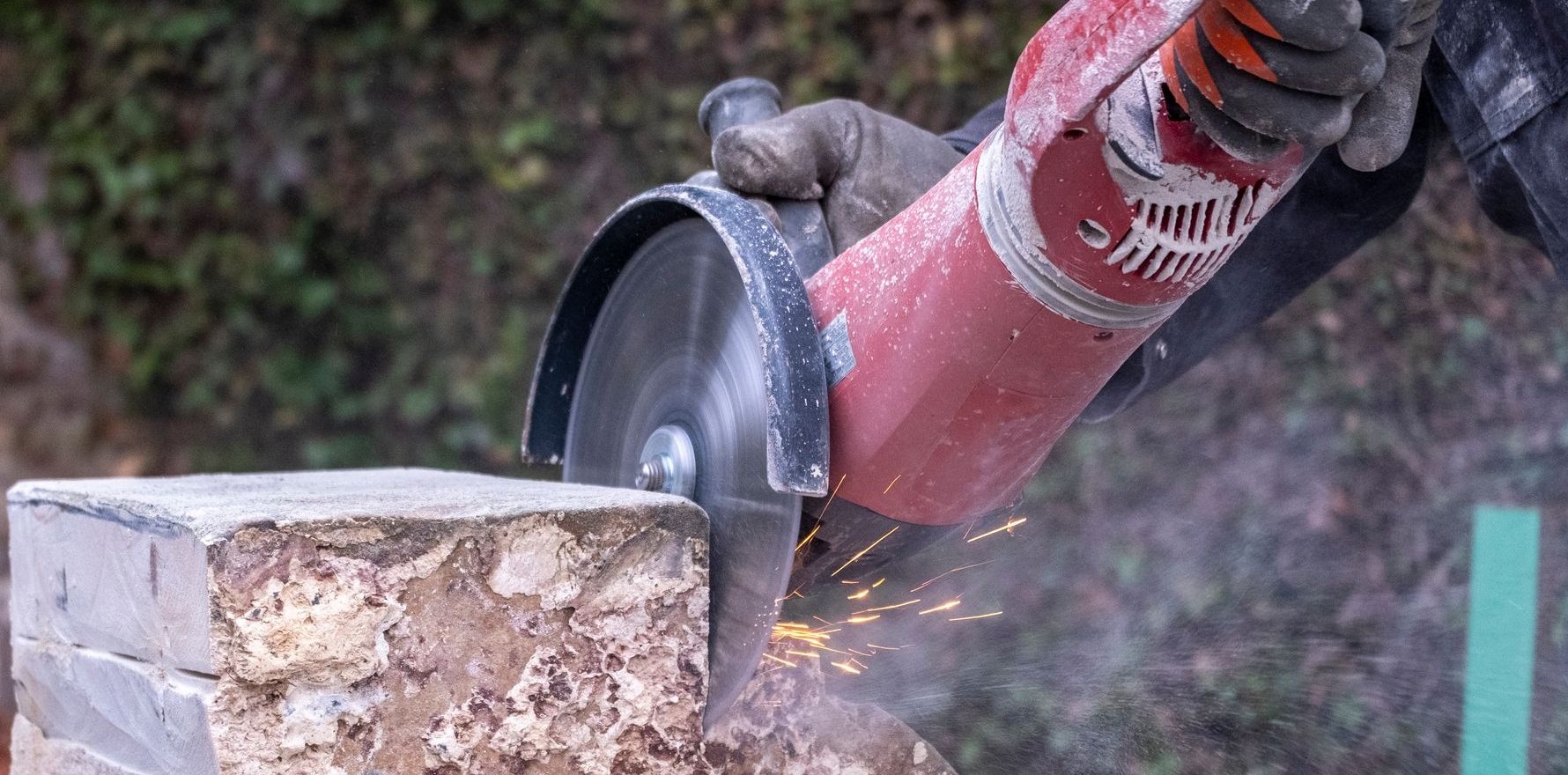
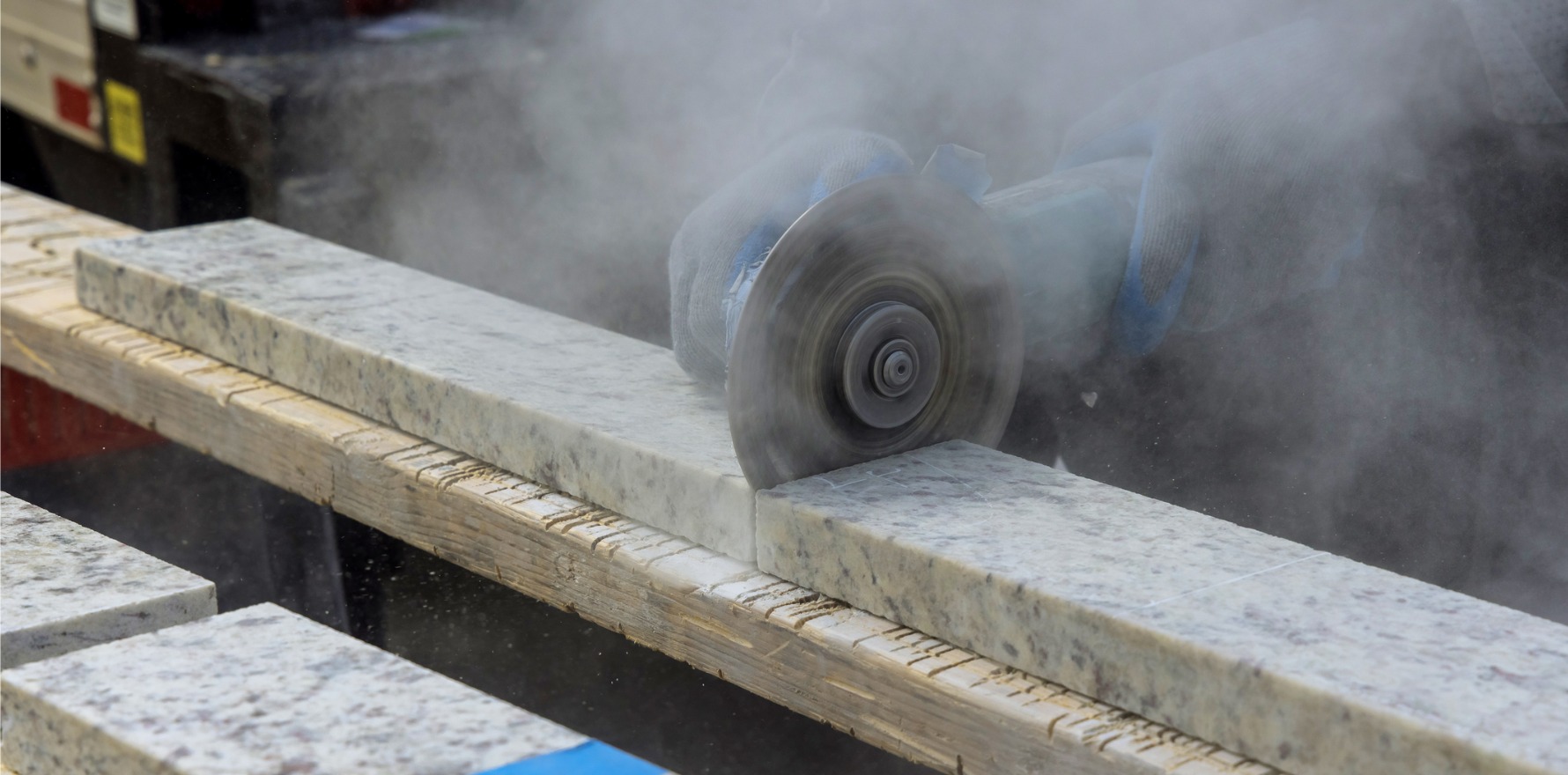
RCS is a well-known occupational hazard. Exposure can occur when workers are mechanically processing – crushing, drilling, grinding, or polishing, for example – crystalline silica-containing materials like sandstone, granite, or concrete.
When inhaled, RCS affects the respiratory system and can lead to several different diseases including silicosis, lung cancer, and chronic obstructive pulmonary disease.
Unique guidance is available for workers who have previously been employed in high-risk silica work and workers who present to their medical practitioner with or without symptoms and/or concerns of silica-related disease.
Both pathways involve a general assessment of the patient and collecting information about other risk factors for respiratory disease, such as tuberculosis and autoimmune conditions, smoking or vaping status, and other environmental exposures, as well as taking a history of potential or known occupational exposure.
The use of spirometry for lung function testing and high-resolution CT to identify silicosis are also explained in the guidance.
“Currently, there is no confirmed effective treatment for silicosis. Prevention of cumulative exposure that will trigger silicosis is therefore the highest priority,” the guidance document reads.
“However, the outcome of treatment of chronic lung disease in general has improved by multi-disciplinary management including smoking and vaping cessation, vaccination, early treatment of infection, and pulmonary rehabilitation. Avoidance of excess weight gain is also of benefit. Lung transplantation is an effective treatment for selected patients, although a limited resource.”
Related
Associate Professor Ryan Hoy, deputy chair of the expert working group and research fellow at the Centre for Occupational and Environmental Health, described the new guidance as a critical turning point in the assessment of RCS.
“In recent years, hundreds of Australian workers have been diagnosed with silicosis,” he said in a statement.
“This new guidance aims to increase the awareness of lung disease among thousands of workers at risk of silica exposure, giving doctors a clear approach to accurately assess their lung health.”
Australia banned engineered stone in 2024 to protect workers from silica-associated disease, but assessing and supporting the cohort of workers who had previously been exposed is an ongoing process.
Development of the guidance document was funded by the Australian government and the Thoracic Society of Australia and New Zealand.
Over 20 organisations – a mix of work health regulators, unions, healthcare organisations, and national institutes – contributed to its development, along with patient representatives.
Read the updated guide here.
