

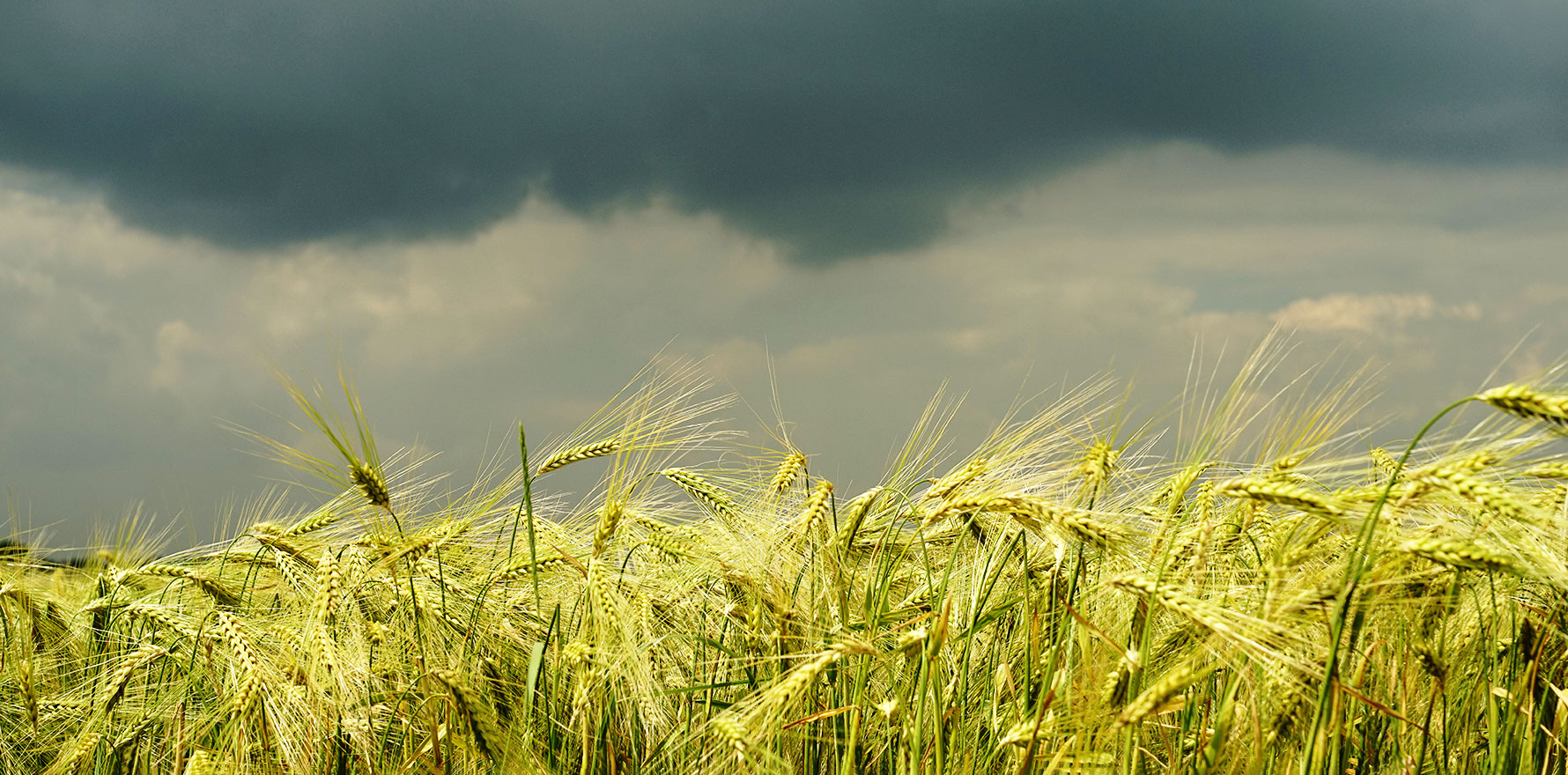
Victorians with asthma and hay fever are being urged to prepare now, with conditions pointing to a more active grass pollen season and potentially more high and extreme pollen days.
Victorians with asthma should review their action plans and medications now as a wet, warm winter sets the scene for a potentially potent pollen season.
Ambulance Victoria has urged people with asthma to get ahead of their spring triggers, warning that pollen, dust, air pollution, and thunderstorms can provoke symptoms and, in some cases, severe attacks.
The warning comes as pollen experts predict Melbourne and much of western and central Victoria could experience a more active grass pollen season than last year.
Victoria recorded its wettest winter since 2016, while Melbourne experienced its warmest winter on record. Soil moisture and satellite data also show strong grass growth across large areas of western, northern, and central Victoria.
Melbourne Pollen said the combination meant Melbourne could experience more high and extreme grass pollen days during late October and November than in 2025, although conditions were expected to be less severe in Gippsland and parts of south-eastern Victoria.
Last year Melbourne recorded five extreme and 15 high grass pollen days.
AirHealth chief executive Dr Edwin Lampugnani, whose organisation operates Melbourne Pollen, sold the conditions appeared more favourable for a larger pollen year than last year, driven partly by strong vegetation growth in north-western pasture areas.
“The key uncertainty is when the warmer, drier weather arrives,” he said.
“If the heat comes early and dries the landscape before grasses finish flowering, the season could be shorter and less intense. If the moisture lasts into October, the potential for a significant season will be much greater.”
Grass pollen season officially starts on 1 October, although tree pollen is already causing problems. Melbourne Pollen has recorded several extreme ratings this spring associated with tree pollen, including cypress pollen.
Ambulance Victoria director of Emergency Management Dale Armstrong said preparation was particularly important for people with asthma.
“Asthma affects people of all ages and while it can become life-threatening, it is usually well managed when people understand their triggers and have an up-to-date asthma action plan,” he said.
“An asthma action plan is one of the most important tools for managing your condition. It helps you recognise worsening symptoms early and know exactly what steps to take.”
Spring triggers include pollen, dust, air pollution, and thunderstorms, as well as indoor exposures including mould, dust mites, and fumes from gas cooktops.
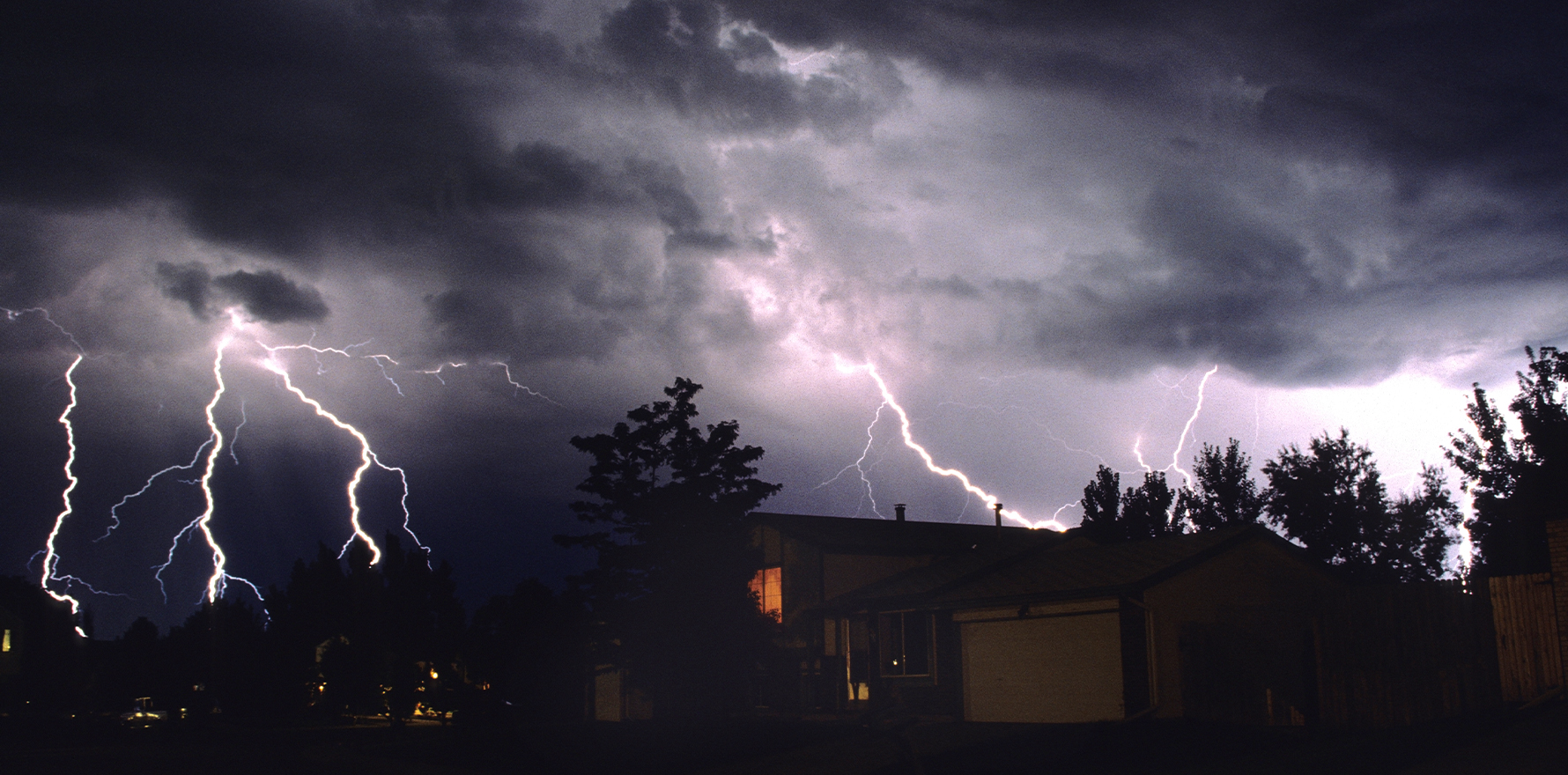
Of particular concern is epidemic thunderstorm asthma, which can occur when high concentrations of grass pollen coincide with particular thunderstorm conditions. Pollen grains can rupture into tiny particles capable of reaching deep into the lungs and triggering asthma symptoms.
November marks 10 years since Melbourne’s catastrophic 2016 epidemic thunderstorm asthma event, which killed 10 people and generated unprecedented demand on emergency and intensive care services.
Mr Armstrong said people should not assume that a period without asthma symptoms meant the risk had disappeared.
“It can be easy to become complacent if you haven’t experienced symptoms for a while, but asthma doesn’t disappear,” he said.
“That’s why we encourage Victorians to check their medication, review their action plan and book in with their GP before symptoms become a problem.”
Related


Adults should have their asthma action plan reviewed at least annually, while children’s plans should be updated every six months, according to Ambulance Victoria.
The warning also extended to people with hay fever who have never been diagnosed with asthma. Melbourne’s 2016 event demonstrated that epidemic thunderstorm asthma can affect people without a previous asthma diagnosis, particularly those with seasonal allergic rhinitis.
People experiencing persistent runny nose, itchy eyes, or congestion should seek advice about treatment and whether further assessment was warranted, Ambulance Victoria said.
Daily Victorian epidemic thunderstorm asthma forecasts are due to begin with the grass pollen season and will run from 1 October to 31 December.
“Taking simple preventative steps now can help people stay healthy and active throughout spring, while also reducing avoidable demand on ambulances and hospitals,” Mr Armstrong said.
The Melbourne Pollen App is available on Apple and Google app stores.
