

The National Asthma Council has released two new resources to help health professionals implement updated asthma guidelines and improve inhaler technique.
A major shift away from SABA-only asthma treatment is being reinforced with the release of two new clinical resources designed to help GPs and other health professionals put Australia’s latest asthma guidelines into practice.
Released today by the National Asthma Council Australia, the resources include an updated Quick Reference Guide (QRG) and a comprehensive Inhaler technique for people with asthma or COPD information paper.
Both are aimed at supporting evidence-based asthma and COPD care in primary practice.
The updated QRG condenses key recommendations from the Australian Asthma Handbook into a practical 20-page resource aimed at primary care settings.
It includes visual summaries and treatment pathways for adults and adolescents, alongside detailed dosing and prescribing information for anti-inflammatory reliever (AIR-only) and maintenance-and-reliever therapy (MART) regimens.
According to Clinical Associate Professor Debbie Rigby, the resource responds to growing complexity in asthma treatment and the need for clinicians to rapidly access evidence-based guidance at the point of care.
“The updated National Asthma Council Australian Asthma Handbook contains significant changes to both the diagnosis and management of asthma,” Professor Rigby said.
She said the guide reinforces one of the most important shifts in contemporary asthma care: moving away from short-acting beta agonist (SABA)-only treatment.
“The message from the NAC is clear – the recommendation is to avoid SABA-only treatment and shift towards inhaled corticosteroids (ICS)-containing therapy for all adults and adolescents,” she said.
The QRG is available as a downloadable resource that can be saved electronically or printed for quick clinical reference.
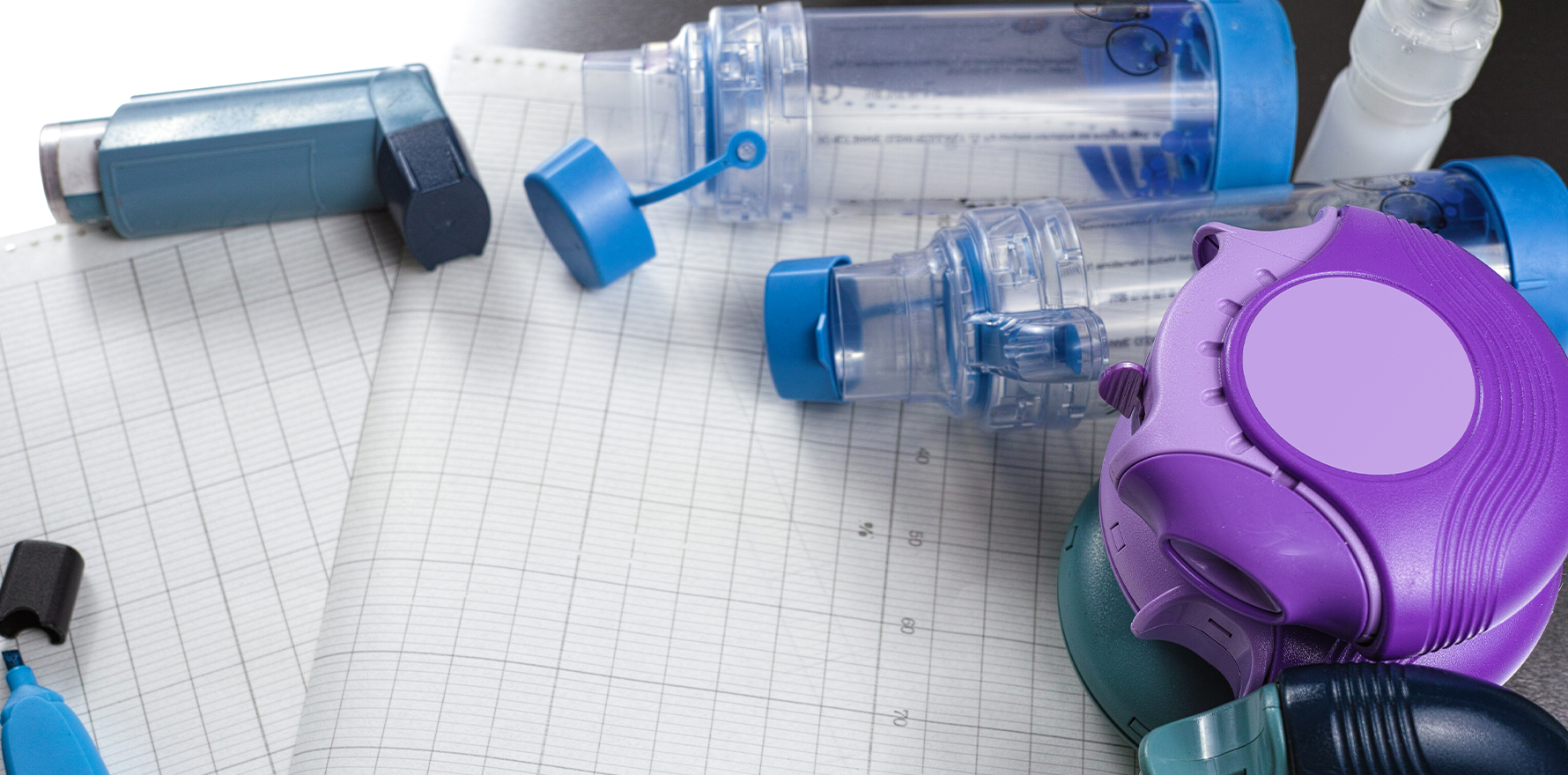
Alongside the guide, the National Asthma Council has launched a new information paper focused on inhaler technique for people with asthma and chronic obstructive pulmonary disease (COPD), bringing together detailed information on the growing range of inhaler devices now available in Australia.
Professor Rigby said the resource addresses a longstanding gap in respiratory care, with evidence continuing to show that incorrect inhaler use remains widespread among patients.
“It is concerning that most patients with asthma or COPD do not use their inhalers properly, and most have not had their technique checked or corrected by a health professional,” she said.
“Evidence shows that inhaler technique improves most when patients are activated rather than simply instructed once or told to read the instructions.
“The inhaler only works if it reaches the lungs properly and even small technique changes can make a big difference to asthma control and prevent flare-ups.”
The resource encourages clinicians to use repeated demonstrations, patient teach-back methods and ongoing reinforcement linked to personal health benefits to strengthen inhaler technique and adherence.
It also reinforces the importance of regular inhaler assessments, noting that the Pharmaceutical Benefits Scheme requires inhaler technique to be reviewed before escalating a patient’s medication regimen.
Related



Professor Rigby urged clinicians to minimise inhaler polypharmacy where possible and consider combination inhalers when clinically appropriate.
She also recommended maintaining consistency in device types for patients prescribed multiple inhalers, using either pressurised metered-dose inhalers (pMDIs) or dry powder inhalers (DPIs) wherever feasible.
She said combining National Asthma Council instructional videos with the detailed checklists included in the new information paper could help improve patient outcomes and reduce the risk of preventable exacerbations.
“Showing the National Asthma Council how-to videos together with reviewing the detailed checklist in the information paper will enable better inhaler technique for patients,” she said.
